
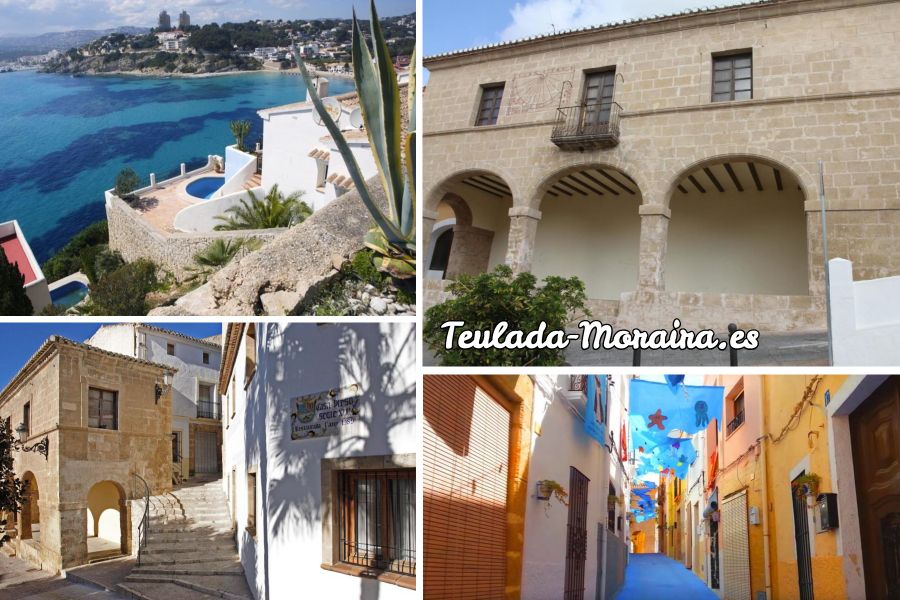
Teulada-Moraira es un municipio de la comarca de la Marina Alta formado por dos núcleos de población distintos, uno situado en el interior (Teulada) y otro en la costa (Moraira). A efectos administrativos, Moraira forma parte de Teulada y ambos comparten ayuntamiento.
Es uno de los municipios más visitados de la costa alicantina por su gran oferta cultural, de ocio y gastronómica.
No es de extrañar, pues, que Teulada-Moraira triplique su población en temporada alta respecto al resto del año y pase de 11.467 habitantes a más de 30.000 durante los meses de verano, siendo un 55,5% de nacionalidad extranjera.
Al estar formada por dos núcleos urbanos, Teulada-Moraira puede presumir de tener historia, tradiciones, cultura y monumentos por partida doble, lo que le convierte en una de las localidades preferidas de esta zona para descubrir durante todo el año.
Lo más interesante de Teulada-Moraira
Campings en Moraira

Los mejores Restaurantes en Moraira

Fiestas en Teulada Moraira

¿Dónde alojarse en Teulada-Moraira?

Rutas y Senderismo en Teulada Moraira

Las mejores Playas de Moraira
Cómo llegar a Teulada-Moraira
El municipio de Teulada-Moraira se encuentra en una zona privilegiada de la Marina Alta, a medio camino de otros municipios de gran afluencia turística, como son Jávea, Calpe o Benissa.
Su gran oferta hotelera y de ocio convierte a Teulada-Moraira en una de las localidades favoritas por los turistas para alojarse durante sus vacaciones por la Costa Blanca, ya que permite conocer otros lugares a muy poca distancia.
A Teulada se llega a través de la N-332, entre Gata de Gorgos y Benissa. Moraira, por su parte, se encuentra a 6 kilómetros de Teulada siguiendo la carretera que lleva hacia la costa.
Tanto las localidades de Jávea y Calpe se encuentran a unos 20 minutos en coche desde Teulada-Moraira, mientras que a Benissa se llega en 10 minutos a través de la N-332.
Altea o Benidorm se pueden visitar desde Teulada-Moraira en poco más de media hora en coche.
La ciudad de Valencia se encuentra a 120 kilómetros de Teulada-Moraira y Alicante, a 80 kilómetros con acceso a vías terrestres de gran capacidad y un aeropuerto internacional a menos de una hora en coche.
¿Dónde se encuentra Teulada?
En el siguiente mapa puedes ver el lugar exacto donde se encuentra el núcleo urbano de Teulada, además de configurar todo tipo de rutas para llegar hasta allí.
¿Dónde se encuentra Moraira?
Moraira se encuentra a 6 kilómetros de distancia de Teulada. En este mapa puedes observar su ubicación exacta, además de la distancia a la que se encuentran otras zonas de interés.
El clima en Teulada Moraira
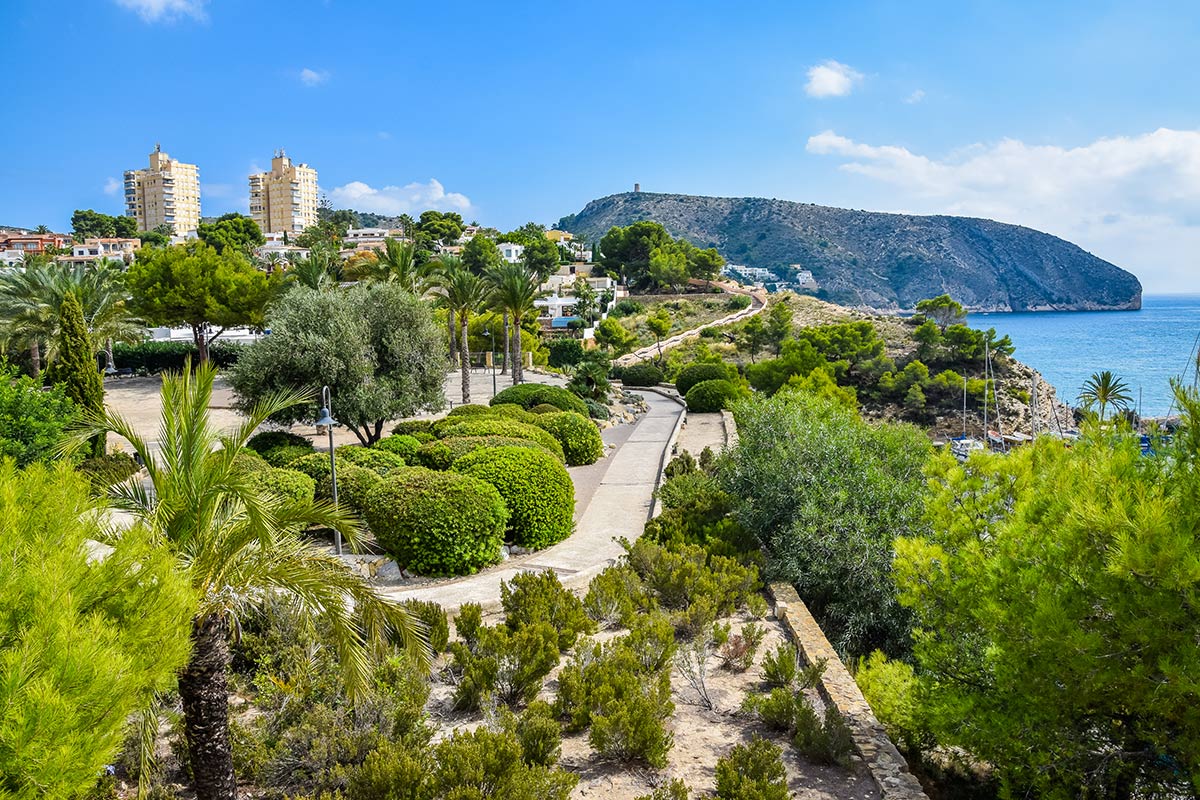
El litoral alicantino tiene uno de los mejores climas de todo el año. Su clima mediterráneo, con más de 300 días de sol y buen tiempo al año, convierten a esta zona de la Marina Alta en un lugar idílico para pasar unas vacaciones durante todo el año, especialmente en verano para disfrutar de sus costas vírgenes, sus playas y calas paradisíacas y poder realizar todo tipo de actividades al aire libre, como senderismo o los deportes acuáticos.
La temperatura media anual de Teulada-Moraira y el resto de localidades que forman parte de la Marina Alta es de 18 grados.
Por tanto, sus temperaturas son suaves durante el resto del año y cálidas en verano, ideales para disfrutar de los más de 8 kilómetros de costa con los que cuenta la localidad de Moraira con sus playas y calas, uno de los mayores atractivos turísticos de la zona.
Historia de Teulada Moraira
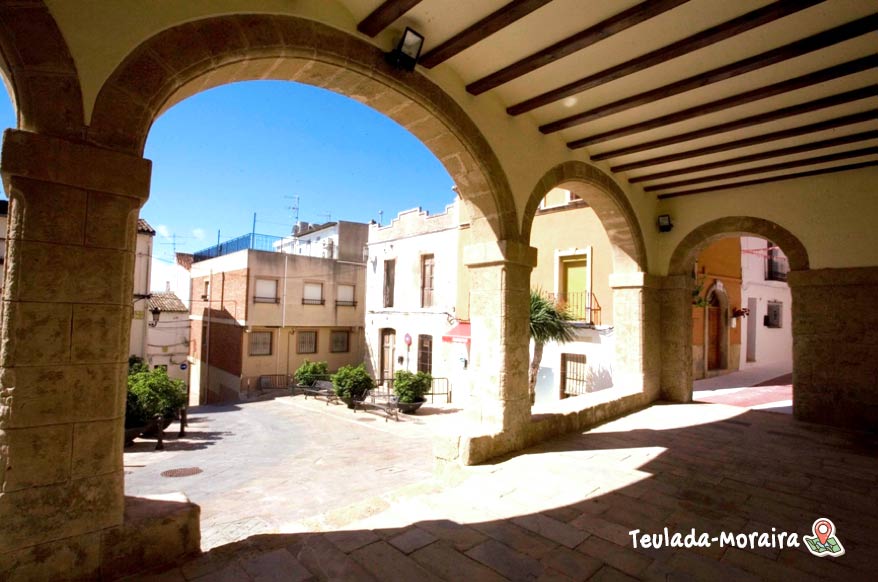
Teulada-Moraira está ocupada por el hombre desde tiempos inmemorables. Gracias a los hallazgos arqueológicos en la Cova de les Cendres podemos confirmar que el hombre ya habitaba estas tierras en el paleolítico superior y el neolítico.
La cultura íbera, muy presente en este territorio, dejó paso a los romanos, quienes muy posiblemente le dieran el nombre de Teulada y Moraira a estos dos núcleos de población.
Finalmente, y tras ellos, llegaron los musulmanes, a quienes se les debe gran parte del paisaje abancalado que caracteriza a esta bella localidad y algunos de los topónimos que nombran las diferentes partidas del municipio.
El siglo XIII está marcado por la llegada a estas tierras de las huestes de Jaume I. De esta época, quedan parte de las tradiciones, la cultura y el carácter hospitalario de esta localidad.
Más tarde, en el 1410, Teulada vivió uno de los episodios más significativos de su historia y que ha marcado parte de la cultura, creencias y tradiciones de la localidad; la llegada de Sant Vicent Ferrer, a quien hay dedicados multitud de edificios y monumentos históricos en Teulada.
Los siglos posteriores (XV, XVI y XVII) están marcados por los ataques de los piratas berberiscos. Posiblemente, esta época y los edificios que se construyeron a lo largo de esos años para defender y salvaguardar el territorio de esos ataques son, hoy por hoy, uno de los grandes legados con los que cuenta la localidad.
De esta época, datan algunos edificios tan característicos como el castillo de Moraira, la torre vigía del Cap D´Or, la iglesia-fortaleza de Santa Catalina de Teulada o la Sala de Jurats i Justicies, también en Teulada.
Tras la construcción de lo que hoy conocemos como el castillo de Moraira comenzó a crearse y organizarse un núcleo de población cuyo principal sustento económico era la pesca. Así, comenzó a erguirse el núcleo de Moraira con su tradición pesquera.
Hasta el siglo XX, la principal actividad económica de Teulada-Moraira era la agricultura y la pesca. Sin embargo, en la entrada del nuevo siglo comenzó a explotarse la industria turística en la Marina Alta.
Hoy en día, Teulada-Moraira es uno de los principales destinos turísticos gracias a su extensa oferta de ocio, sus playas y calas paradisíacas, su buen clima, su gastronomía y su inconfundible paisaje.
¿Qué hacer y ver en Teulada?
A continuación vamos a indicar algunos de los principales monumentos o sitio que no te puedes perder en Teulada.
Ermita de la Font Santa
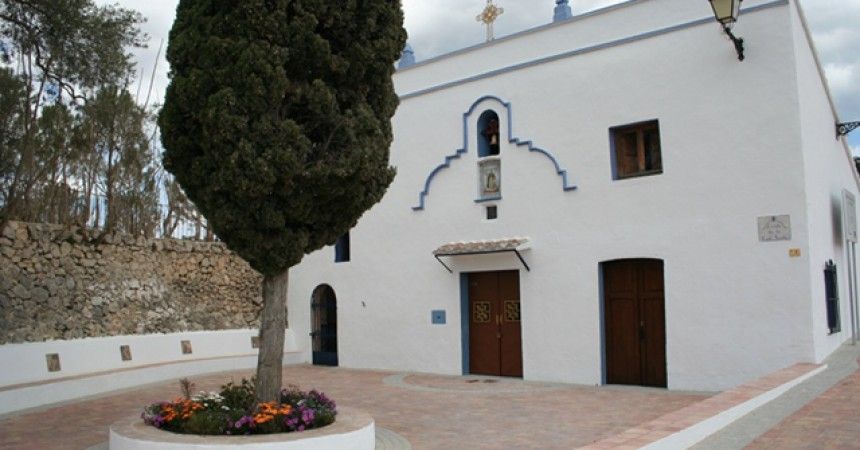
Este edificio, datado del siglo XIX, es uno de los principales monumentos para visitar en Teulada.
Está formada, además de por la ermita, por una fuente (la Font Santa) y la casa del ermitaño, que vivía allí antiguamente.
El edificio, así como la fuente, se construyeron en la localidad en honor a Sant Vicent Ferrer tras su paso por Teulada.
Según cuenta la tradición, el santo pasó por la localidad de Teulada para visitar a su hermana Constanza. Durante uno de sus paseos juntos por el municipio, a Constanza le entró sed. Por ello, y para saciar la sed de su hermana, Sant Vicent Ferrer hizo brotar el agua en este punto.
Para rendir homenaje a tal milagro, se construyó la Font Santa, una fuente donde nunca deja de brotar el agua.
La ermita de la Font Santa está situada a tres kilómetros del municipio y fue restaurada por última vez en el año 1975.
Iglesia de Santa Catalina
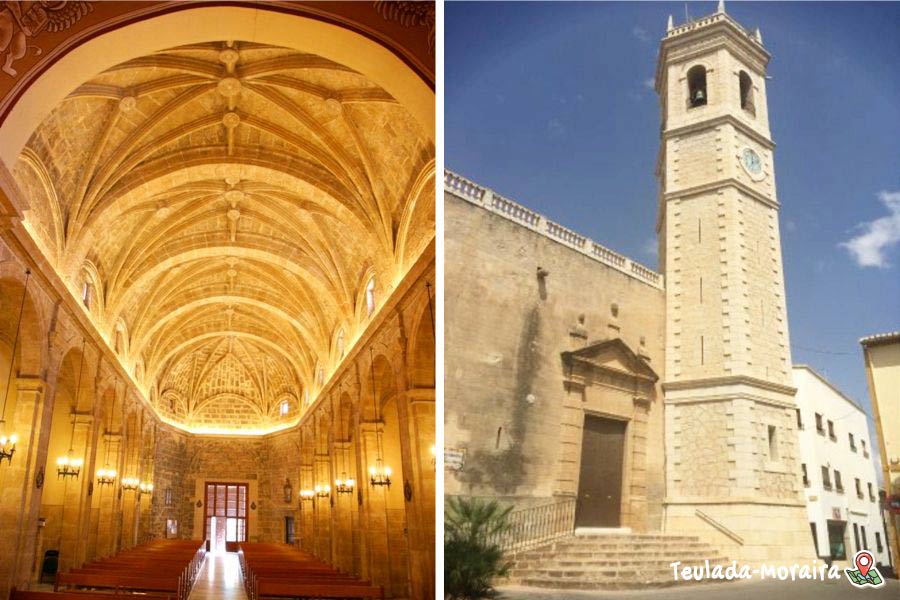
La Iglesia Parroquial de Santa Catalina Mártir es un edificio histórico datado de los siglos XVII y XVIII. Además de como edificio religioso, también fue construida y utilizada como fortaleza para salvaguardar y dar cobijo a los teuladinos en caso de invasión de piratas barberiscos.
El edificio consta de dos partes diferenciadas, la primitiva u originaria (siglo XVI) y el resto de ampliaciones que sufrió la iglesia durante los siglos XVII y XVIII, principalmente.
La parte primitiva del edificio consta de un templo de nave única que se orienta hacia levante formada por cuatro tramos, altares entre contrafuertes y una gran bóveda de medio punto.
Con la primera de sus ampliaciones, datada del siglo XVII, ya se le da forma de cruz latina y se orienta el altar hacia el oeste.
Casco Histórico
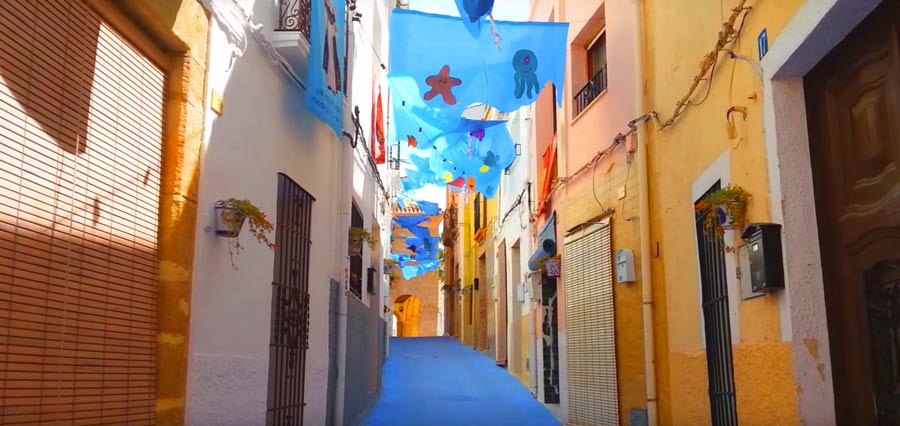
Perderse por el entramado de calles y casas blancas que forman el casco histórico del municipio de Teulada es otro de los grandes atractivos para sus visitantes.
Alrededor de la iglesia de Santa Catalina, se encuentra todo un entramado de callejuelas empedradas con un gran encanto.
Entre los muchos edificios históricos y de interés que se pueden encontrar en su casco histórico destacan los siguientes:
- Casa Presor
- Iglesia parroquial de Santa Catalina
- Capilla de Sant Vicent Ferrer
- La Capilla de la Divina Pastora
- La Sala de Jurats i Justicies, entre otros.
‘La Villa’, como así se conoce a este conjunto de calles del casco histórico estuvo, en su día, rodeada por una muralla.
Uno de los paseos más recomendados para conocer y disfrutar del centro histórico de Teulada es el que tiene su inicio la Plaza de la Constitución para ir recorriendo sus callejuelas y observando sus casitas blancas típicas y sus diferentes edificios históricos.
Auditorio de Teulada
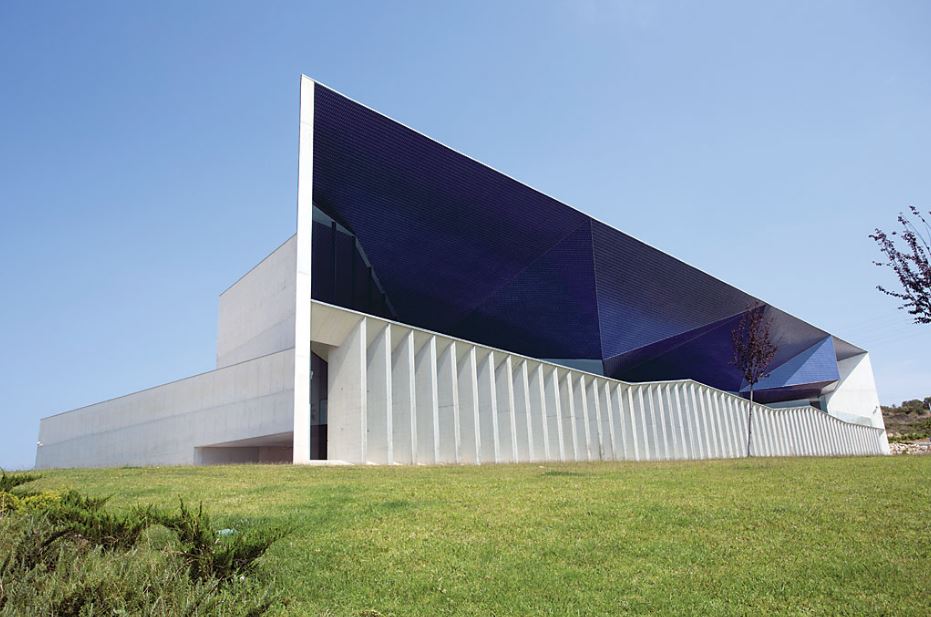
No todo es turismo entre la población de Teulada y Moraira, hay más y de calidad. En este caso nos vamos al auditorio que se ha convertido en un centro no sólo de música en todas sus variantes, sino también como un icono de la arquitectura más moderna de la zona y la cultura de vanguardia que necesitaban estas poblaciones conteras bañadas por el Mediterráneo.
El proyecto del Auditori Teulada Moraira se inauguró por el año 2011 y desde entonces ha ido embriagando a todos los que han pasado frente a un edificio icónico de la comarca construido por arquitecto técnico Francisco Robado Beloqui, reconocido internacionalmente y considerado por múltiples especialistas del sector como el sucesor de Rafael Moneo.
Hay que recordar que a sus espaldas lleva un precio de los de gran calado otorgado por el Real Instituto de Arquitectos Británicos, los RIBA (Por las siglas en inglés de la institución), que tienen el rango indiscutible de ser los más importantes del mundo en la especialidad de innovación en arquitectura de auditorios y a los que muchos grandes arquitectos designan como el Nobel de la Arquitectura.
En palabras del arquitecto… «Es un puente de unión y referencia física palpable en un pueblo duplicado en dos conjuntos urbanos, Moraira y Teulada, con una fachada del edificio, orientada al Mediterráneo, que representa una playa pétrea que, con su profundidad y desde la distancia, permite leerse fundida con el maravilloso mar que baña estas poblaciones».
En el interior del edificio se representa una arquitectura de espectáculo visual. Se combina la luz con la líneas sinuosas en una geometría profunda y quebrada que nace del estudio del interiorismo y sus formas más perfectas y de la incidencia solar en su superficie y propias formas generadas, singularmente en verano, tiene como propósito que jamás los rayos del sol incidan de forma directa en el interior del auditorio.
¿Qué hacer y ver en Moraira?
Si te preguntas que hacer en Moraira estamos seguros que encontrarás en estas líneas un sin fin de atividades preparadas para satisfacer la curiosidad del visitante.
La tradición pesquera de Moraira sigue estando muy presente en los principales monumentos y lugares de interés de la localidad.
Nació como núcleo urbano en el siglo XVIII, aunque por aquel entonces su importancia económica era muy pequeña y únicamente se utilizaba como zona de vigilancia para evitar las incursiones de piratas por el litoral.
Precisamente con esta función se construyó uno de los principales monumentos y símbolos de identidad de Moraira hoy en día.
Castillo de Moraira y su torre de vigía
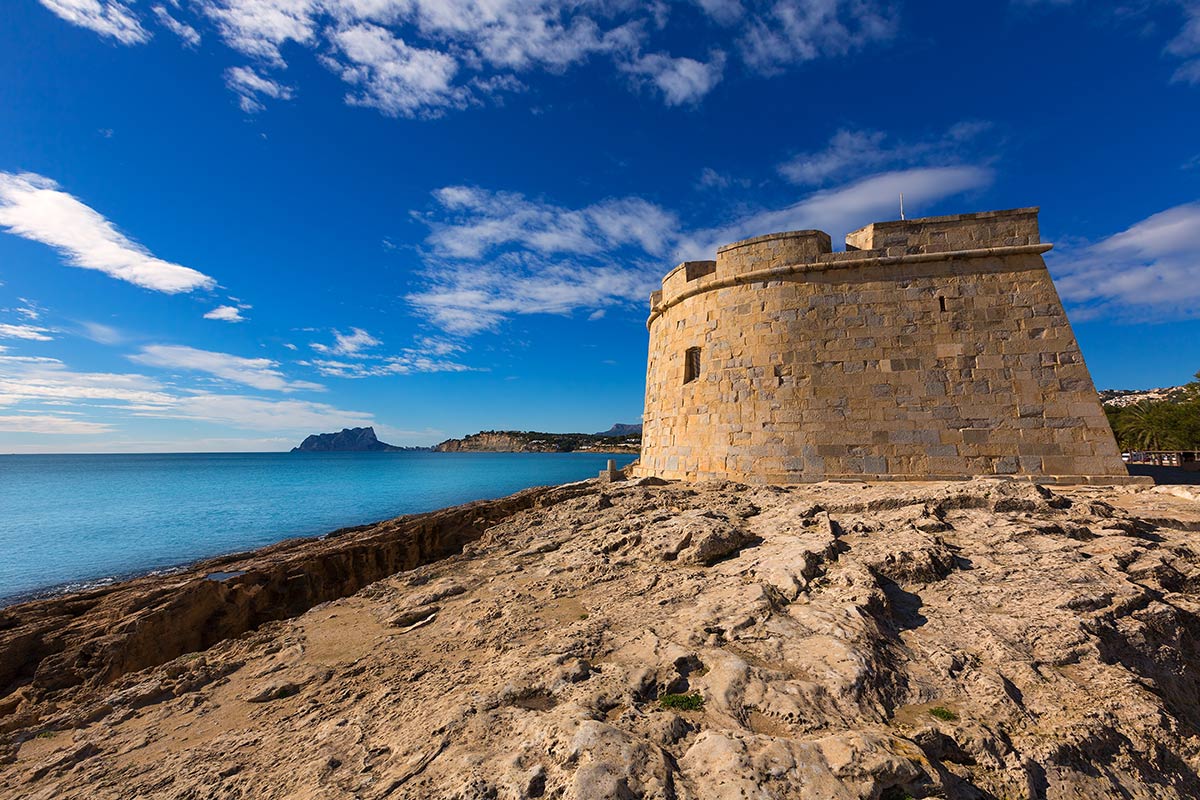
Si vienes a Moraira tienes que ver el Castillo ya que es, sin duda, una de las señas de identidad de Moraira por su enclave privilegiado, en una elevación rocosa junto a la Playa de L´Ampolla y con increíbles vistas al peñón de Ifach de Calpe.
El castillo de Moraira con su torre vigía del Cap D´Or se construyó a mediados del siglo XVIII con la finalidad de proteger y salvaguardar a la población teuladina de los piratas.
Actualmente, se puede contemplar el edificio en su totalidad, ya que su estado de conservación es muy bueno.
Llama la atención el escudo de los Borbones, que se puede observar en su puerta de acceso y que data del 1742, año de finalización de la obra.
Puerto pesquero
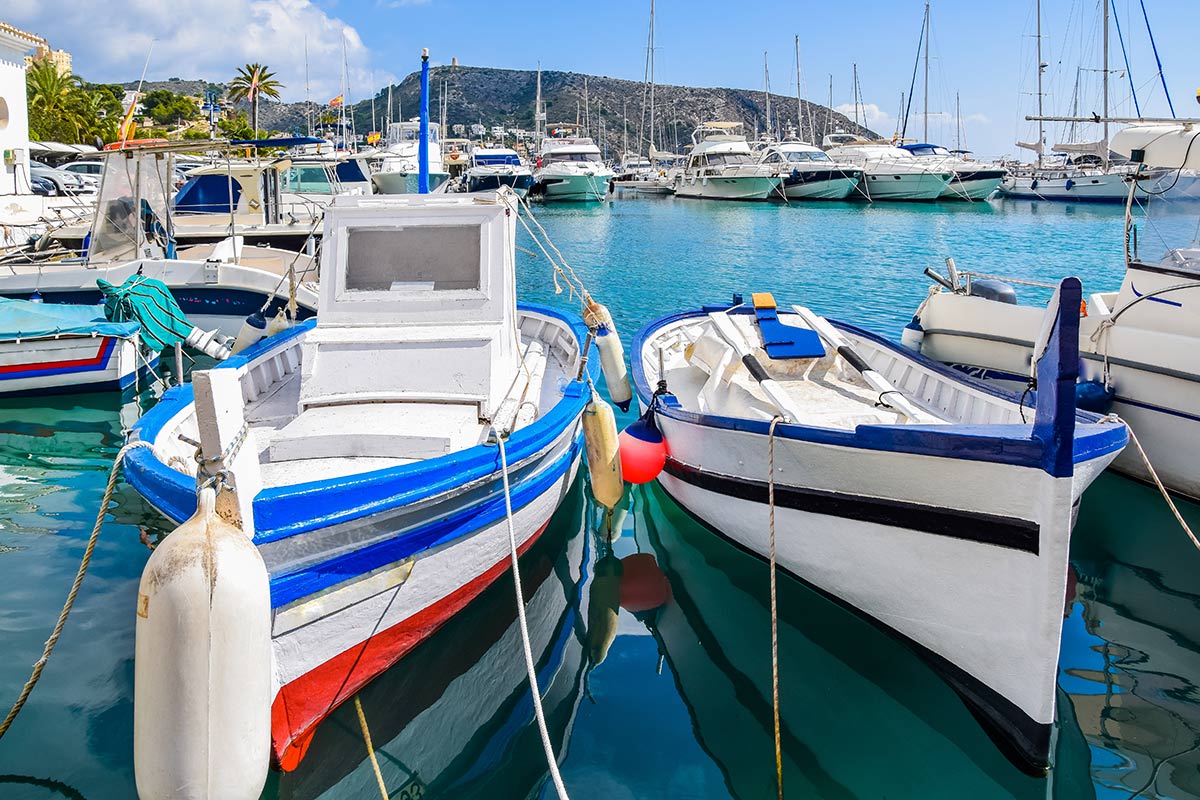
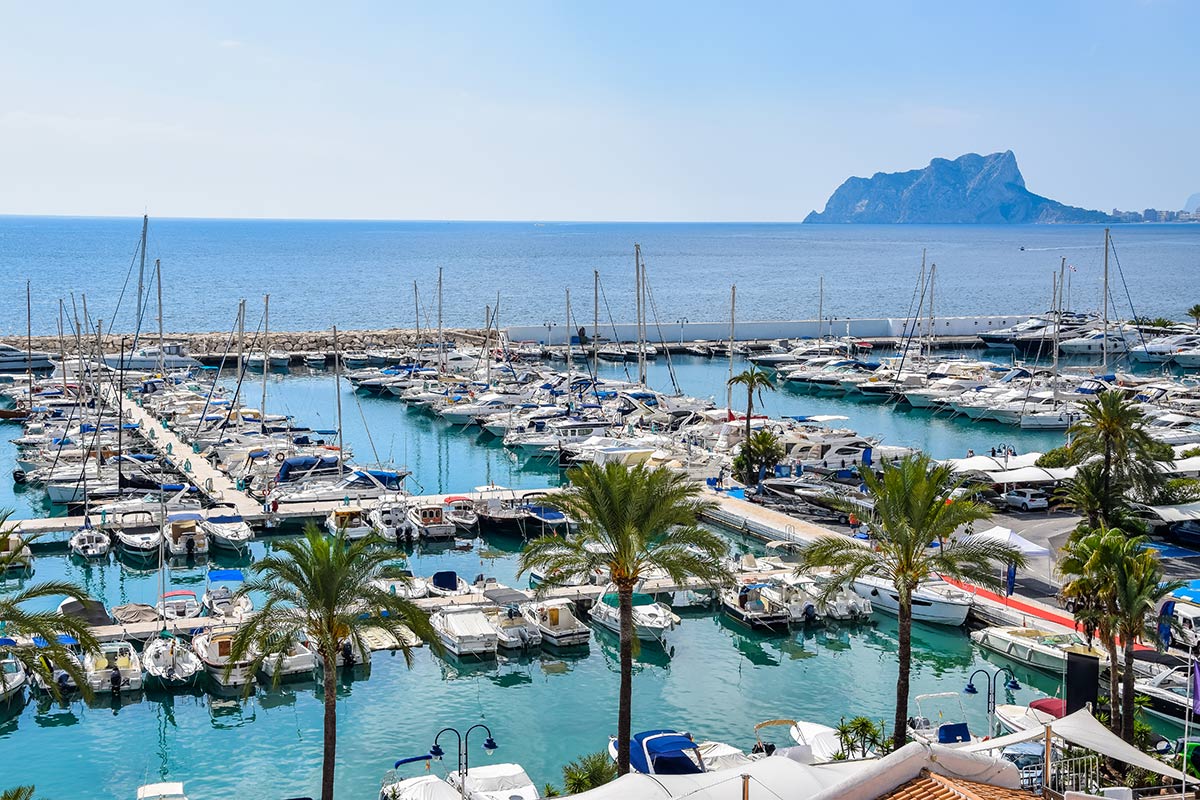
El Puerto deportivo de Moraira es uno de los más importantes de la Comunidad Valenciana aunque, sin duda, te recomendamos visitar el puerto pesquero por su tradición y contribución al desarrollo económico de la localidad.
La cofradía de pescadores de Moraira fue fundada en el año 1929, aunque sus instalaciones han ido renovándose y mejorando a lo largo de los años.
Hoy en día, todavía se puede presenciar la subasta del pescado y marisco en público.
Gracias a esto, los restaurantes de la zona costera de la localidad sirven pescado y marisco fresco cada día, ofreciendo una razón más para visitar la localidad y degustar su gastronomía.
Casco Urbano
Recorrer las callejuelas del casco urbano de Moraira es otro de los grandes atractivos para el visitante. Sus calles empedradas y las fachadas de sus casas típicas de la Costa Blanca otorgan un encanto especial a esta localidad.
Sentarse a tumbar algo en alguna de sus terrazas o visitar las muchas tiendas que recorren su casco urbano te proporcionará otra visión de esta localidad costera.
Marjal del Senillar
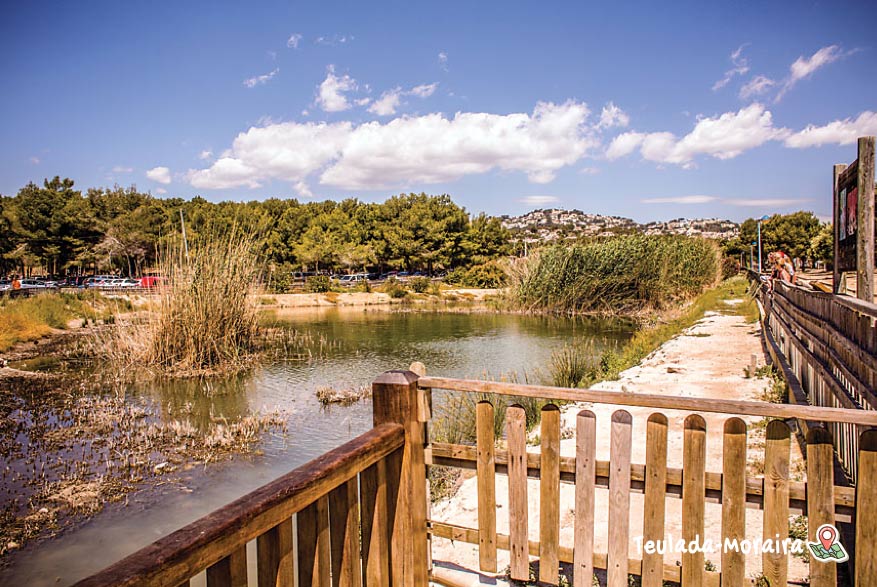
Este humedal costero se encuentra junto a la Playa de L´Ampolla, una de las más importantes de la costa de Moraira. Formado por una serie de lagunas separadas por la arena de la playa, este humedal es una de las desembocaduras naturales de la cuenca del Barranc de les Sorts.
Fue declarado Reserva de Fauna Silvestre en el año 2004 y está constituida por multitud de especies vegetales y animales, alguno de ellos en peligro de extinción como el el pez denominado ‘fartet’.
Entre las especies vegetales se pueden observar en el Marjal del Senillar destaca la presencia de carrizo, junco, cardo marino, hinojo de mar, barrón o el taray.
Además, se pueden contemplar todo tipo de especies animales como aves, anfibios, peces y algunos anfibios. Algunos de esos animales que viven en esta reserva natural son la gallineta común, el carricero, la rana común, el sabo o la culebra veperina, entre otros.
Playas y Calas de Moraira
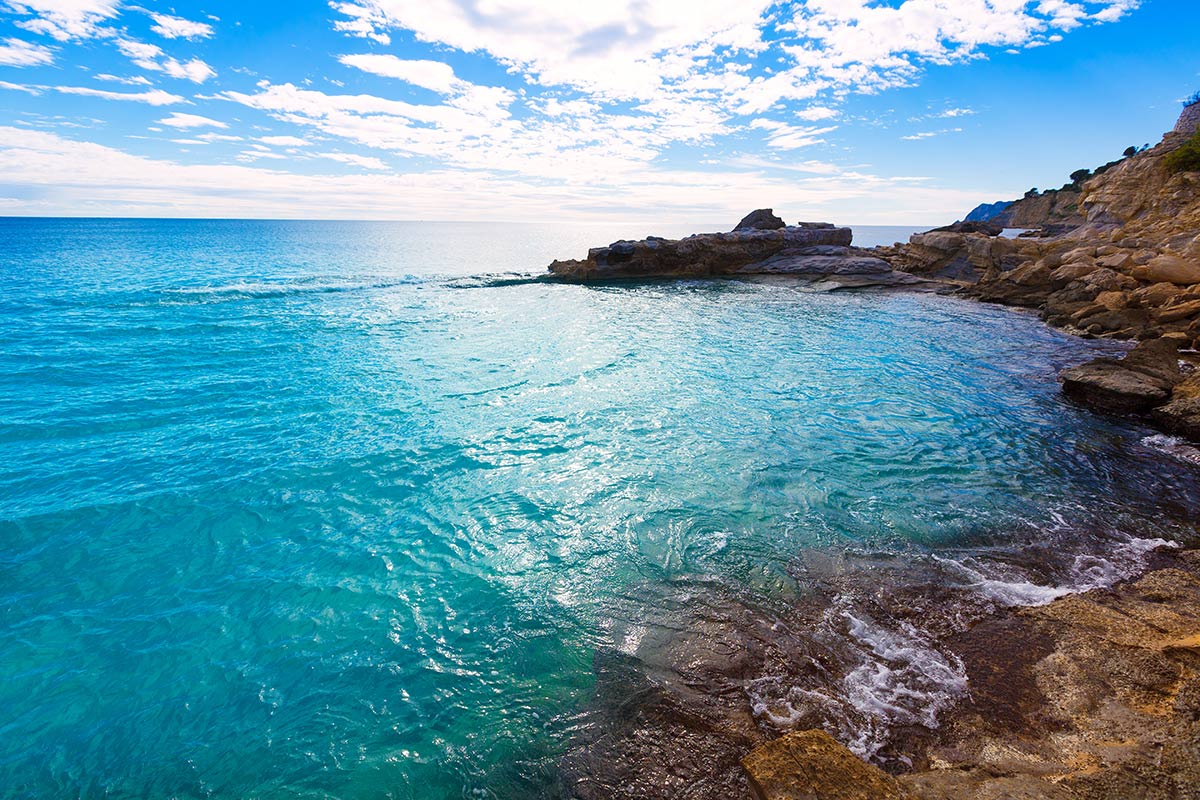
De visita obligada son también los casi 8 kilómetros de costa con los que cuenta la localidad de Moraira, formada por siete playas y calas vírgenes que ofrecen la mejor versión del Mar Mediterráneo.
Algunas de ellas han sido galardonadas con la bandera azul por la calidad de sus aguas y los servicios que ofrecen al visitante para disfrutar de un completo día de playa o practicar alguna de las muchas actividades y deportes acuáticos que permiten estas playas y calas del litoral alicantino.
Son también de visita obligada los distintos miradores que se pueden encontrar en distintos puntos del litoral de Moraira, con impresionantes vistas al Mar Mediterráneo y a los paisajes que envuelven esta privilegiada zona.
La Cova de les Rates
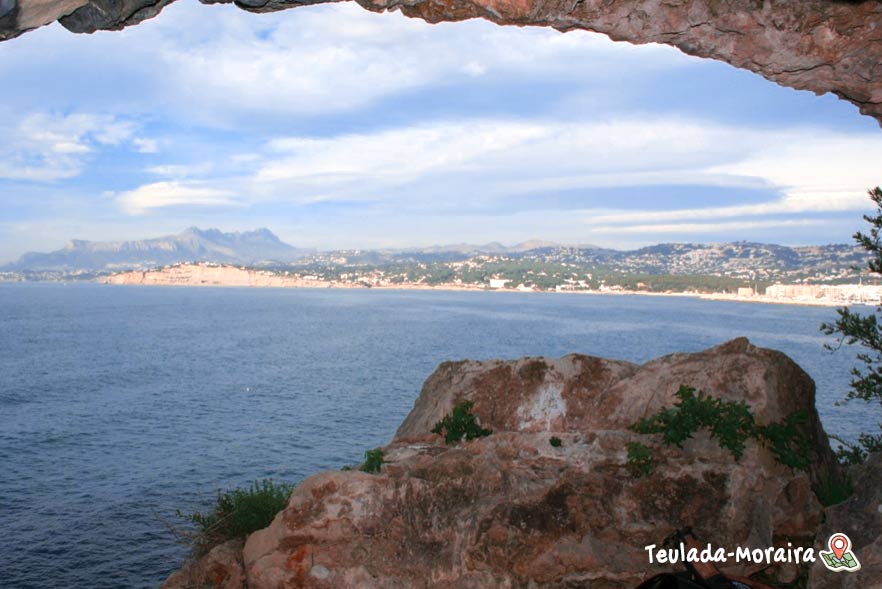
Otro de los enclaves naturales de Moraira que no pueden perderse los amantes de la naturaleza es la Cova de les Rates, una gran cavidad situada en el Cap D´Or y formada debido a la acción erosiva del agua sobre la roca. El acceso a la cueva es sólo a través del mar y, en su interior, se pueden encontrar dos grandes salas.
Desde el año 2004, al igual que el Marjal del Senillar, la Cueva de les Rates está considerada reserva de fauna silvestre por parte de la Consellería de Territorio y Vivienda de la Generalitat Valenciana y, además, está considerado yacimiento arqueológico de la edad de bronce y de la época íbera.
En su interior podemos encontrar distintas especies de murciélagos, como el murciélago ratonero gris o el murciélago de cueva.
¿Qué hacer y por qué visitar Teulada Moraira?
Son muchas las actividades que se pueden realizar en Teulada-Moraira. Cada uno de sus dos núcleos de población ofrece una oferta de ocio y actividades diferenciada.
Teulada-Moraira es el destino ideal para quienes lleguen en busca practicar deportes acuáticos, hacer turismo, disfrutar de un rico plato gastronómico típico de la zona, pasar un día de playa o hacer rutas de senderismo.
Hacer submarinismo o Snorkel en Moraira
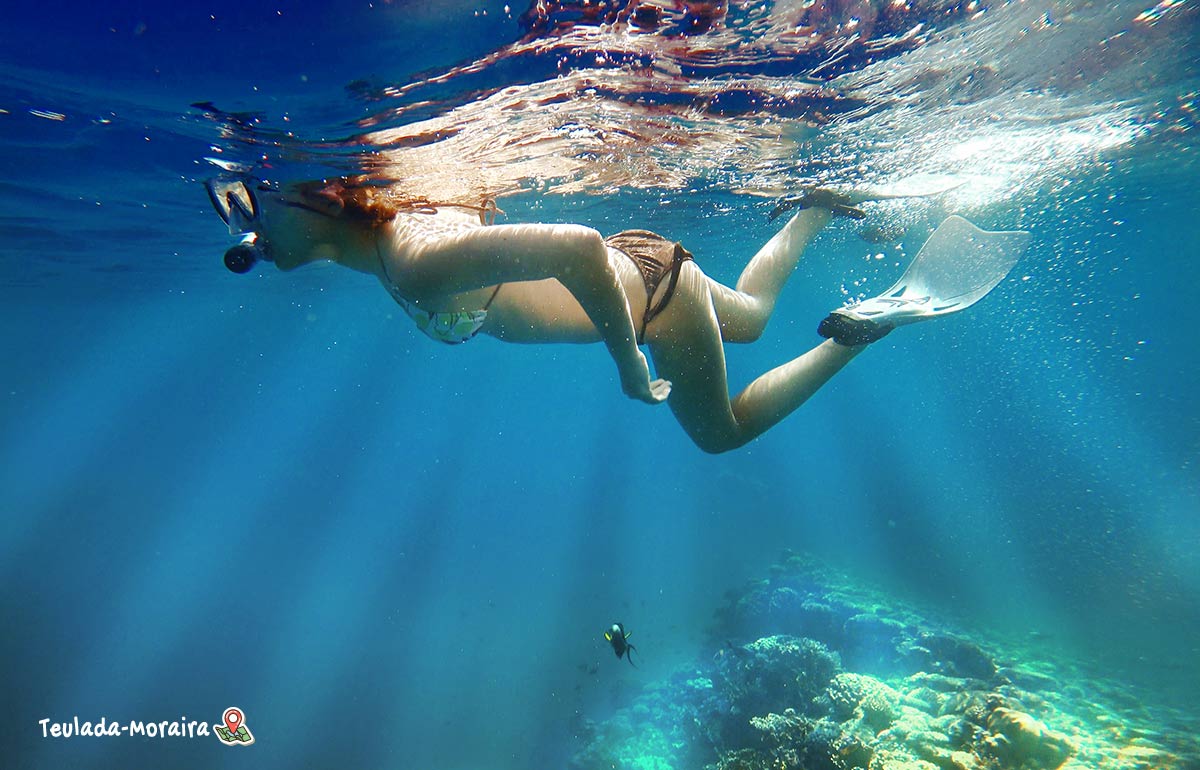
Las playas y calas de Moraira son un auténtico paraíso para los amantes del submarinismo y otros deportes acuáticos, como snorkel, moto acuática o paseo en kayak para descubrir otros rincones por medio del mar.
En Moraira existen numerosos centros dedicados a la enseñanza de estos deportes acuáticos o al alquiler de kayak o moto acuática. Sus playas y calas de agua cristalina poseen un rico fondo marino.
Por ello, siguen siendo uno de los principales destinos para los amantes del mar y la naturaleza, ya que se pueden divisar un gran número de especies marinas en un enclave único.
Los lugares idóneos para la práctica de estos deportes acuáticos son la cala Cap Blanc, L´Andragó, El Portet, Cap D´Or y El Laberinto.
Otras opciones de ocio náutico que ofrece Moraira son, por ejemplo, la pesca, paseos con embarcaciones, vela, paddle o experiencias multiaventura.
Gastronomía

La oferta gastronómica de Teulada-Moraira es, sin duda, otro de los grandes reclamos de esta localidad de la Marina Alta, donde poder saborear los mejores pescados y mariscos, arroces o vinos, como el Moscatel Romano.
Teulada-Moraira cuenta con restaurantes de todo tipo y para todos los gustos y bolsillos. Entre su numerosa oferta hostelera, se pueden encontrar restaurantes prestigiosos recomendados por la Guía Michelin.
Además, la zona costera de Moraira está plagada de restaurantes donde, además de disfrutar de sus hermosas vistas, se pueden degustar todo tipo de mariscos y pescados de la zona, así como disfrutar de un sinfín de arroces, uno de los platos más típicos de la costa alicantina.
Rutas de senderismo

Los amantes de la naturaleza y el deporte al aire libre están de enhorabuena. Teulada-Moraira cuenta con numerosas rutas señalizadas y preparadas para la práctica del senderismo, tanto en la zona del interior como en el litoral.
La ruta de los acantilados, la ruta del barranc de la viuda o la ruta de la Font Santa son solo algunas de las muchas opciones que ofrece el municipio de Teulada-Moraira para disfrutar de la naturaleza y conocer esta bella localidad desde otros puntos de vista.
Fiestas y tradiciones
Las fiestas y tradiciones de Teulada-Moraira son otro de los grandes atractivos para visitar estos núcleos de población de la Marina Alta.
Durante todo el año, Teulada-Moraira ofrece a sus visitantes multitud de eventos y fiestas que ayudan a conocer un poco más las tradiciones de esta bella localidad.
En abril, Teulada se viste de gala para celebrar su fiesta grande con sus Fiestas Patronales en honor a Sant Vicent Ferrer con multitud de actividades de ocio, religiosas y tradiciones que perduran a lo largo de los años se dan cita durante casi dos semanas, llenando el municipio de música, color y alegría para todos los vecinos y visitantes.
Moraira, por su parte, vive sus días grandes en el mes de julio con la celebración de sus Fiestas Patronales en honor a Nuestra Señora de los Desamparados y la Virgen del Carmen.
Durante estos días de fiesta, la localidad revive su pasado pesquero con multitud de actividades religiosas y lúdicas para todos los públicos.
Video aéreo que no te puedes perder
En este video podrás ver toda la zona de Teulada Moraira tanto de día como por la noche con unas vistas espectaculares del Castillo.
Descubrirás algunas urbanizaciones perfectamente entremezcladas con la propia naturaleza, algo muy característico de la zona, y acercándonos al final del video, las distintas tomas de la Playa del Portet donde verás unas aguas tan transparentes que te parecerán increíbles.
Como has podido comprobar hay muchísimas cosas que hacer en Moraira. Nosotros ponemos el enclave, los monumentos, la historia, las playas y un sin fin de cosas más. Tú sólo tendrás que visitarnos…
¿Qué ver en los alrededores de Moraria?
Si te ha gustado todo lo que este pueblo de Alicante tiene para ofrecer, te recomiendo que no pierdas foco de los alrededores de Moraria, ya que su entorno es sensacional.
Al norte de Moraira, tienes Jávea y Dénia dos municipios sin lugar a dudas muy bonitos que puedes visitar. Al sur de Teulada-Moraira, puedes conocer Calpe y Alfaz del Pí. Además si quieres conocer una de las mejores playas de España, puedes acercarte a una hora a Playa de San Juan en Alicante. Y ya que estás no dudes en visitar la capital. Alicante se ve en un día, mira esta ruta de un día hecha por Ilutravel, en la que podrás recorrer desde su famosa Explanada hasta el conocido Castillo de Santa Bárbara.
Si quieres algo de interior, no dudes en ver el Parc Natural Serra de Mariola y desconectar de tanta playa y ciudad.